A patio can look great the day it is installed and still become a problem a year later. Pavers may settle, a retaining wall can lean, or water can start moving toward the foundation instead of away from it. Choosing the right hardscape contractor is about more than finding someone who can lay stone or pour concrete. It is about finding a local professional who understands how your property drains, how Midwest weather affects materials, and what it takes to build outdoor improvements that hold up.
For homeowners in Wentzville, O’Fallon, Lake St. Louis, St. Peters, Troy, and throughout St. Charles County, a hardscape project is often a major investment in how the property looks, works, and lasts. Whether you are planning a patio, walkway, retaining wall, fire pit area, or complete backyard upgrade, the contractor’s planning and workmanship will determine the result long after the crew leaves.
What a Hardscape Contractor Should Do Before Building
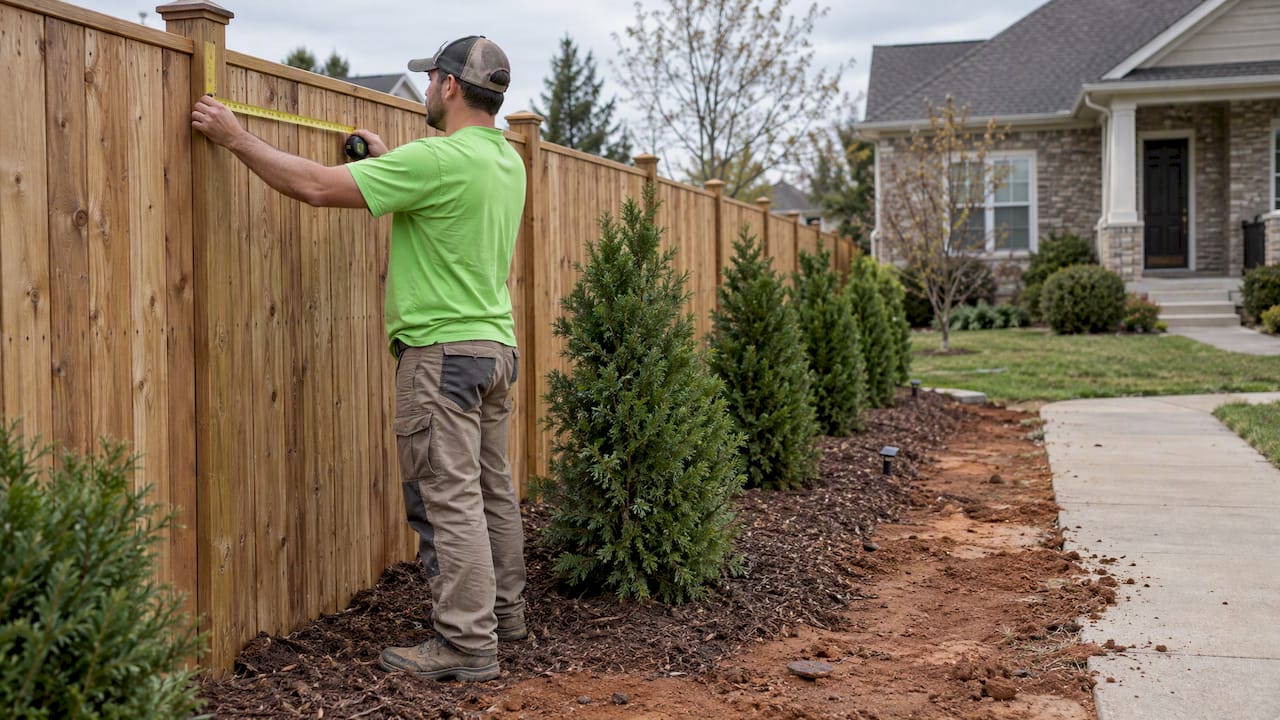
A good project begins with an honest look at the site. Your yard is not a flat showroom floor. It has grades, runoff patterns, soil conditions, existing structures, utility locations, and access limitations that all affect the work.
Before recommending a design or price, a qualified contractor should walk the property and ask practical questions. Where does water collect after a heavy rain? Are there downspouts emptying near the future patio or wall? Has the area settled before? Will the new surface meet an existing driveway, pool, steps, or door threshold? These details are not small extras. They shape the base preparation, drainage plan, elevation, and materials needed for a lasting installation.
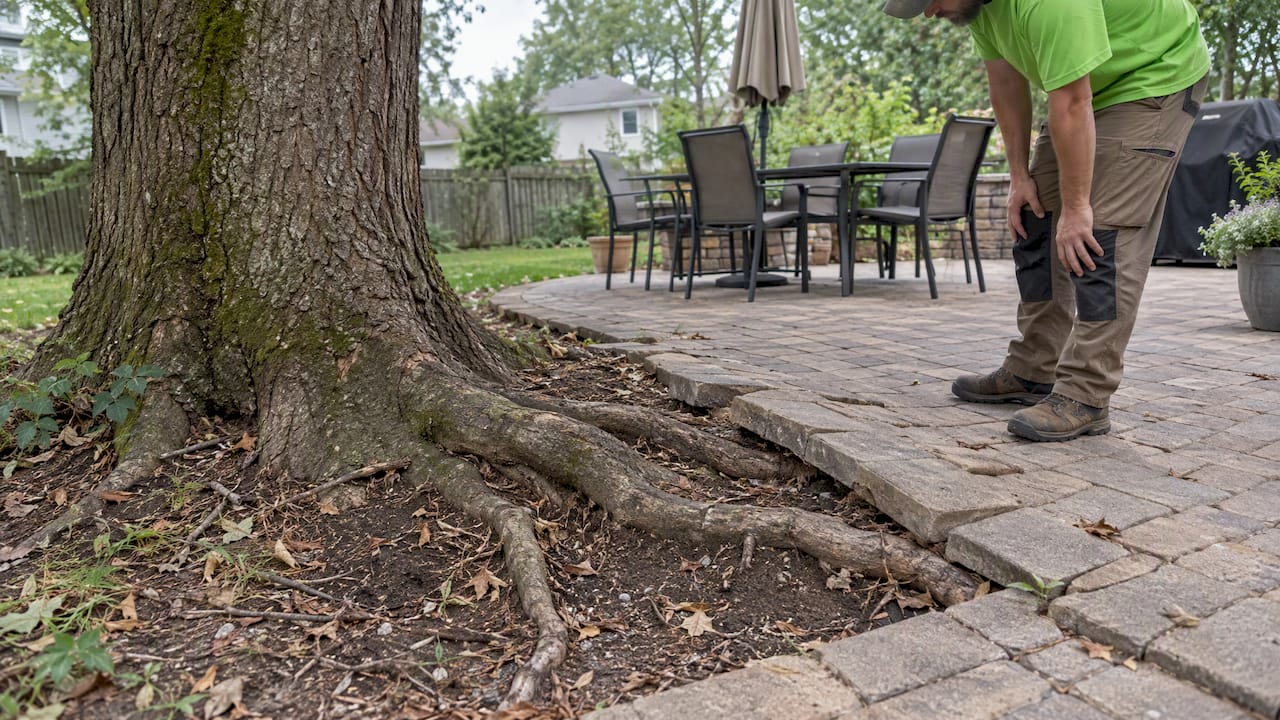
This is especially important in Missouri, where freeze-thaw cycles, heavy rain, clay soil, and summer heat put real stress on outdoor construction. A patio that is installed without the right base depth may shift. A wall built without proper drainage may hold water behind it and fail over time. The lowest estimate can become expensive quickly when the original work does not address the conditions underneath it.
Drainage Is Part of the Hardscape Work
Many property owners call for a patio or retaining wall because they want a more usable yard. But if water is already causing erosion, muddy areas, or foundation concerns, the project needs to address that first.
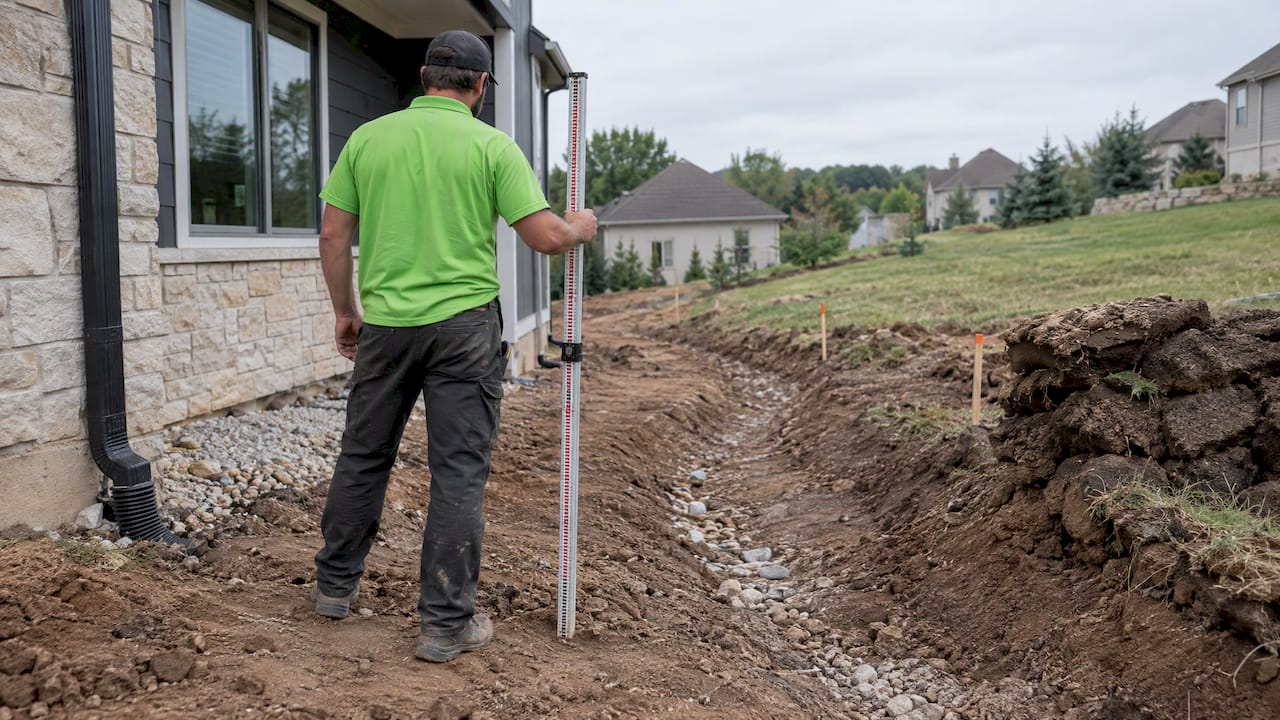
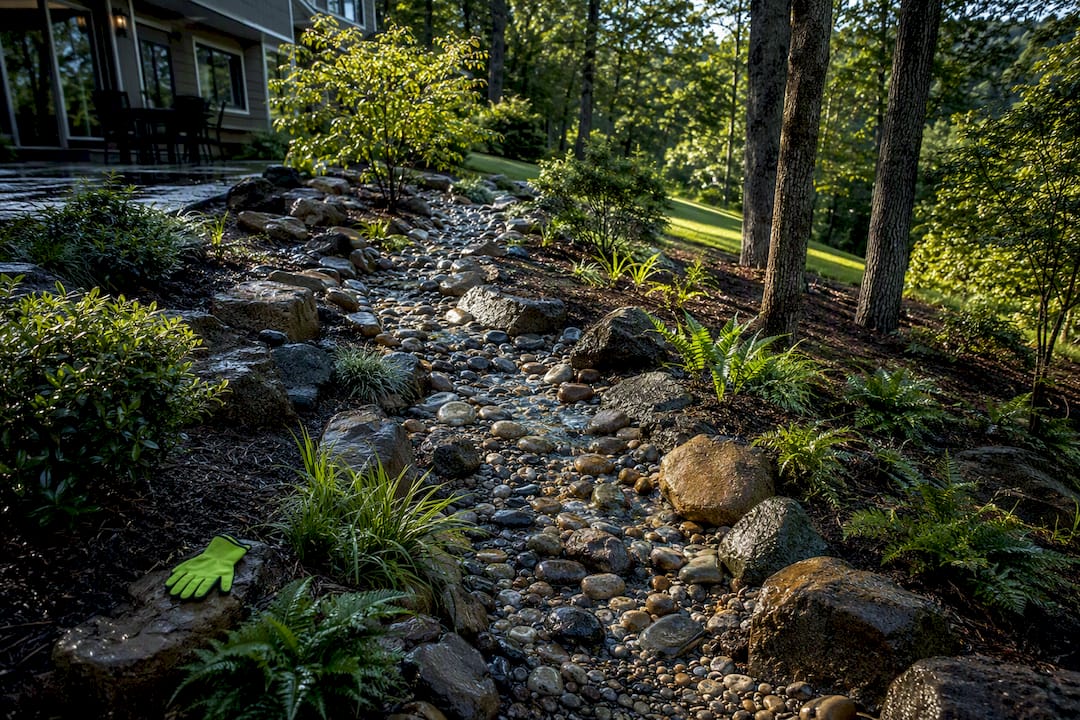
A responsible contractor will explain whether the design needs grading adjustments, drainage swales, catch basins, downspout extensions, or drainage stone behind a wall. Not every project requires every solution. The right approach depends on where water starts, where it naturally wants to go, and where it can be directed safely.
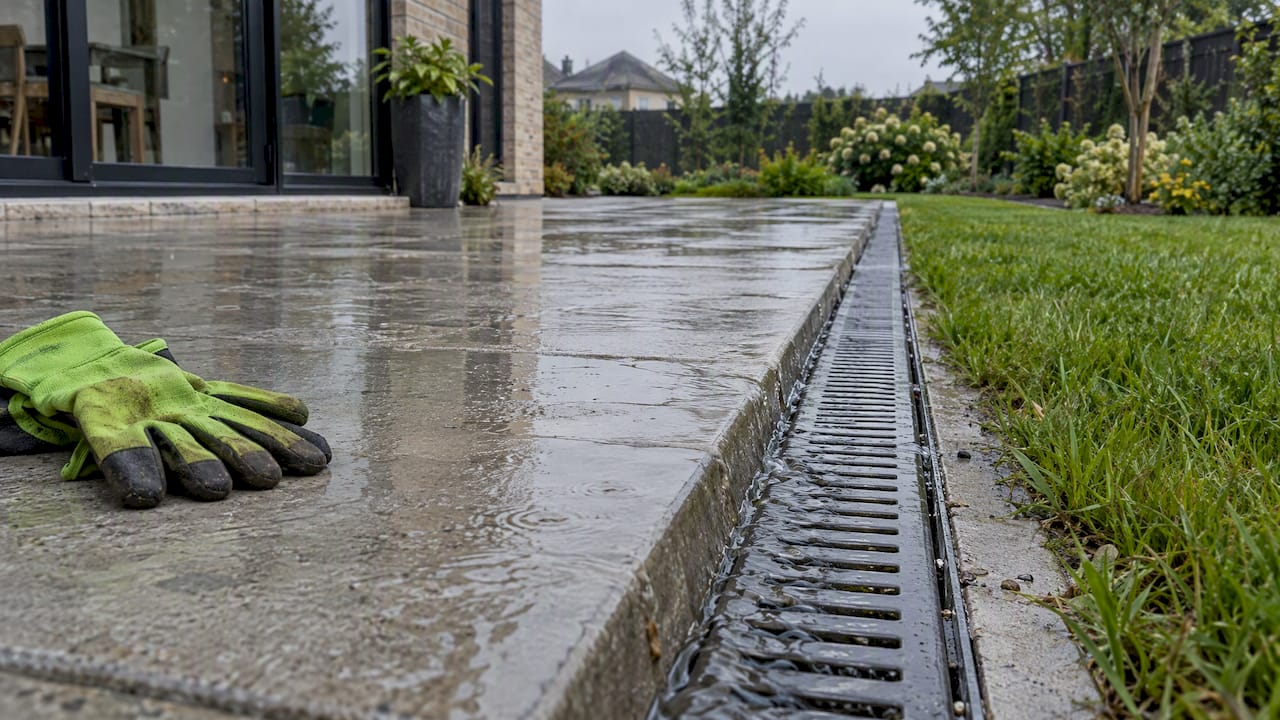
For example, a retaining wall may create a level area for a patio or garden bed, but it should not trap runoff behind the structure. Likewise, a new patio should be sloped correctly to move water away from the home without sending it toward a neighbor’s property. These are the details that protect both the finished appearance and the investment beneath it.
Materials Matter, but Installation Matters More
Concrete, natural stone, pavers, block walls, and gravel each have a place in a well-planned outdoor space. The best choice depends on your style, budget, maintenance expectations, and how you plan to use the area.
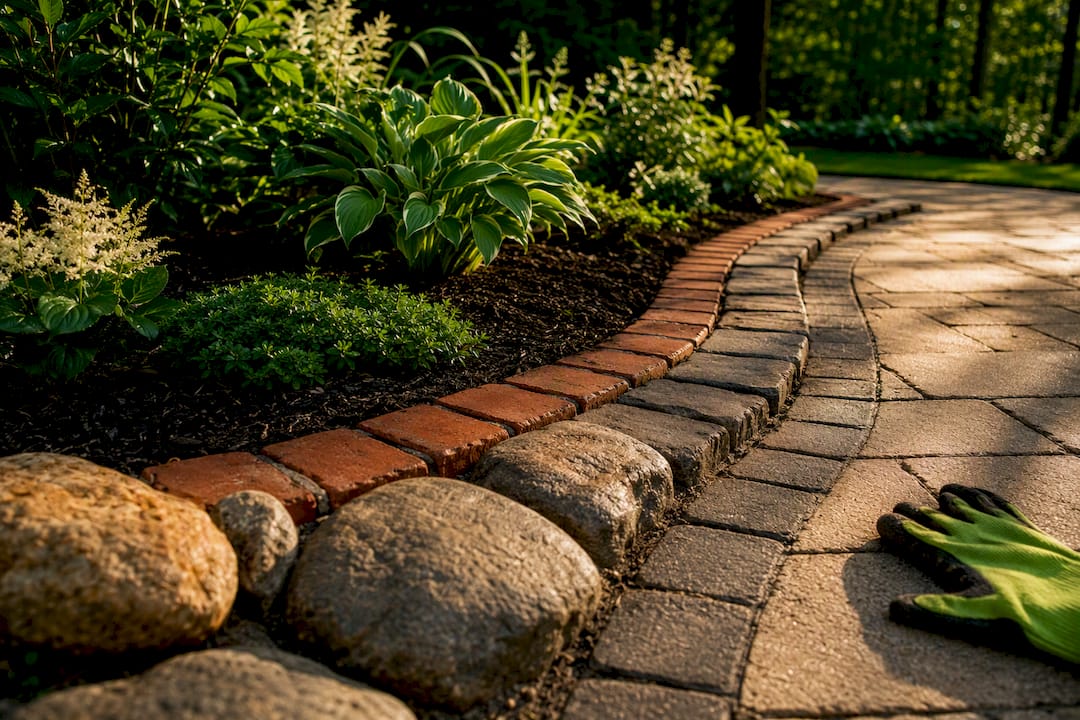
Pavers offer design flexibility and can be repaired in sections if needed, but they require a properly compacted base and edge restraint. Concrete can provide a clean, durable surface and may be a practical option for patios, walkways, or pads, but it needs proper preparation and control joints to help manage cracking. Natural stone delivers a distinctive look, although material variation and labor can affect cost. Retaining wall systems can create usable grade changes, but their height, loading, drainage, and reinforcement must be considered carefully.
A dependable contractor should not push one material for every project. Instead, they should explain the trade-offs clearly. A simple concrete patio may be the right fit for one homeowner, while a paver patio with a seating wall and drainage improvements may make more sense for another. Good recommendations are based on the property and the homeowner’s goals, not just what is quickest to install.
Questions to Ask a Hardscape Contractor
You do not need to be an outdoor-construction expert to make a confident decision. You do need clear answers before work begins. When comparing contractors, ask how they will handle the parts of the job you will not see once it is finished.
A useful conversation should cover these points:
- How will the project handle drainage and water runoff?
- What base preparation, compaction, and grading are included?
- What materials are included, and are there options at different price points?
- Will the project require permits, utility locating, or homeowner association approval?
- What is the expected timeline, and how will weather delays or site changes be communicated?
- How will the crew protect the yard, keep the work area clean, and handle final cleanup?
The answers should be specific to your project. Be cautious if someone gives broad promises without looking closely at the site or cannot explain what happens below the finished surface. Clear communication at the estimate stage is often a good sign of how the job will be managed after the contract is signed.
Watch for Estimates That Leave Out the Details
A hardscape estimate should make it easier to compare work, not harder. A low price may reflect a simpler design or lower-cost materials, which is not automatically a problem. It can also mean important work has been left out, such as excavation, gravel base, compaction, drainage materials, reinforcement, edge restraint, removal of old material, or restoration around the completed project.
Ask for enough detail to understand the scope. If one contractor includes demolition, proper base preparation, and drainage while another only lists a square-foot price, the estimates are not equal. It is reasonable to discuss your budget and prioritize phases, but the structural parts of the work should not be treated as optional shortcuts.
The same applies to retaining walls. Wall height, soil pressure, water management, and nearby loads such as driveways or fences can change what is needed. A short decorative garden wall is different from a wall that supports a slope near a patio or home. The contractor should recognize that difference and build accordingly.
Look for a Process That Keeps You Informed
Outdoor projects can be disruptive for a short time. Equipment needs access, materials need staging space, and weather can change the schedule. The right contractor makes this easier by setting expectations early and keeping communication straightforward.
You should know what will happen first, when materials are expected, where equipment may be placed, and how changes will be handled if the crew uncovers an issue. A professional job site also matters. Respect for your lawn, driveway, landscaping, and neighbors says a great deal about the company doing the work.
At Precision Outdoor Solutions, the goal is not simply to install a finished surface. It is to help homeowners understand their options, make practical choices for their property, and receive craftsmanship built for local conditions. That means looking at the full outdoor environment, including drainage, access, existing landscaping, and how the new space will be used.
Plan for the Way You Will Use the Space
The strongest hardscape designs are useful as well as attractive. A patio should have enough room for the furniture and traffic flow you actually want. A walkway should connect areas naturally and provide dependable footing. A retaining wall should solve a grade issue while fitting the surrounding yard. A fire pit area should allow comfortable seating without crowding the space.
Think beyond the first season. Will the area need room for a grill, outdoor dining table, kids’ play space, or future landscaping? Do you want easier access from the driveway to the backyard? Would a small wall create a more manageable planting area? Planning for these needs upfront can prevent costly changes later.
A well-built outdoor project should feel like it belongs on the property, not like it was added without a plan. Take time to choose a contractor who asks the right questions, explains the work plainly, and builds the parts you can see and the parts you cannot with the same care.